Bloodwork and Diagnostics
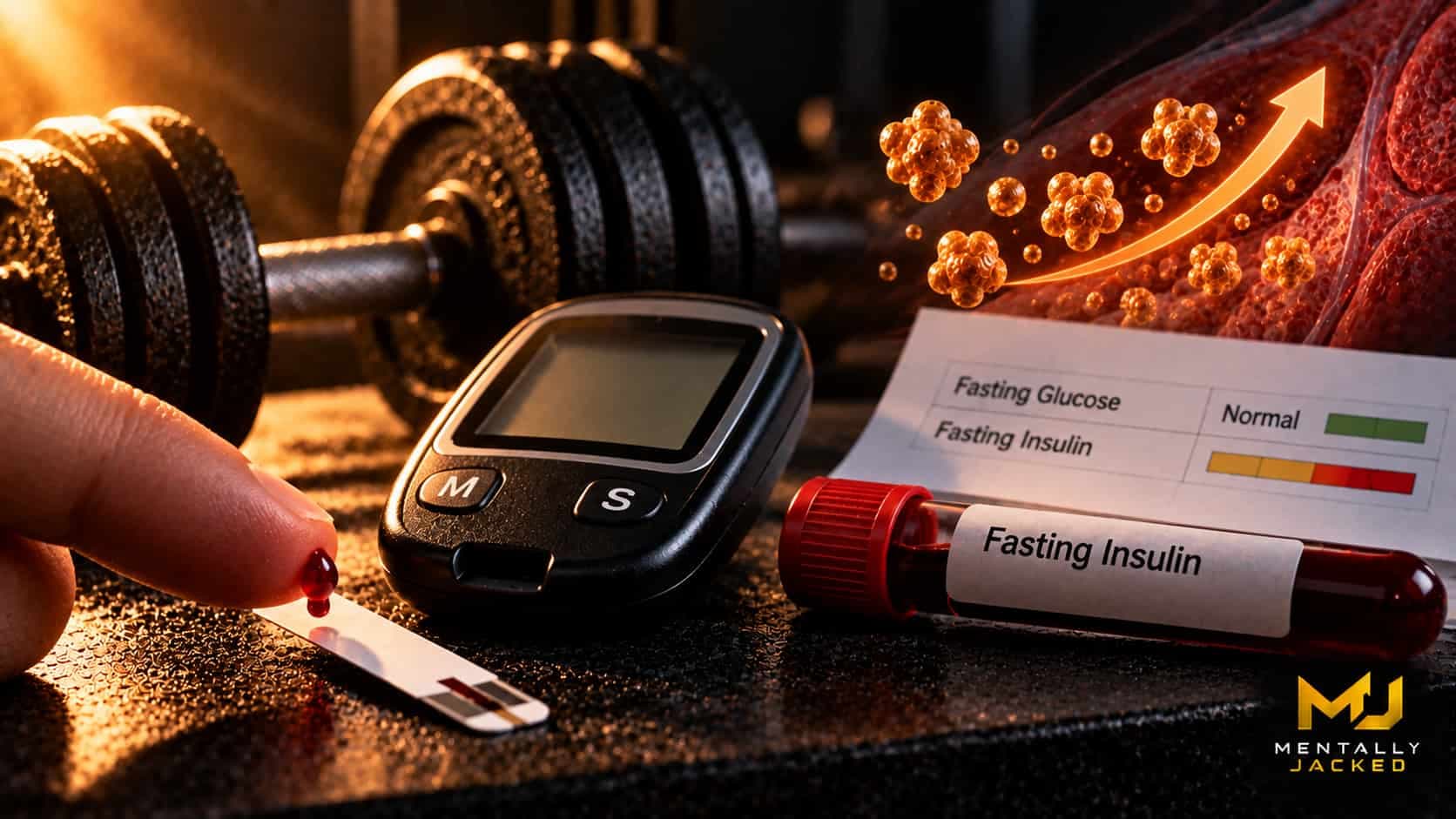
India has more people with prediabetes than most countries have people. The ICMR-INDIAB study, published in 2023, estimated 136 million Indians with prediabetes and 101 million with diabetes. A large share of the first group will move into the second within a decade, and most of them have no idea, because the one test they get every year says normal.
Fasting glucose is the last number to move. Here are the three that move first.
Insulin is the hormone that moves glucose out of the blood and into muscle, liver and fat. When cells stop responding to it properly, the pancreas compensates by making more. For years, sometimes decades, that extra insulin keeps blood glucose in range.
During that time the fasting glucose test looks fine. Insulin does not. The pancreas is working harder every year to hold the same line, and eventually it cannot. That is when glucose rises and diabetes is diagnosed, long after the process began.
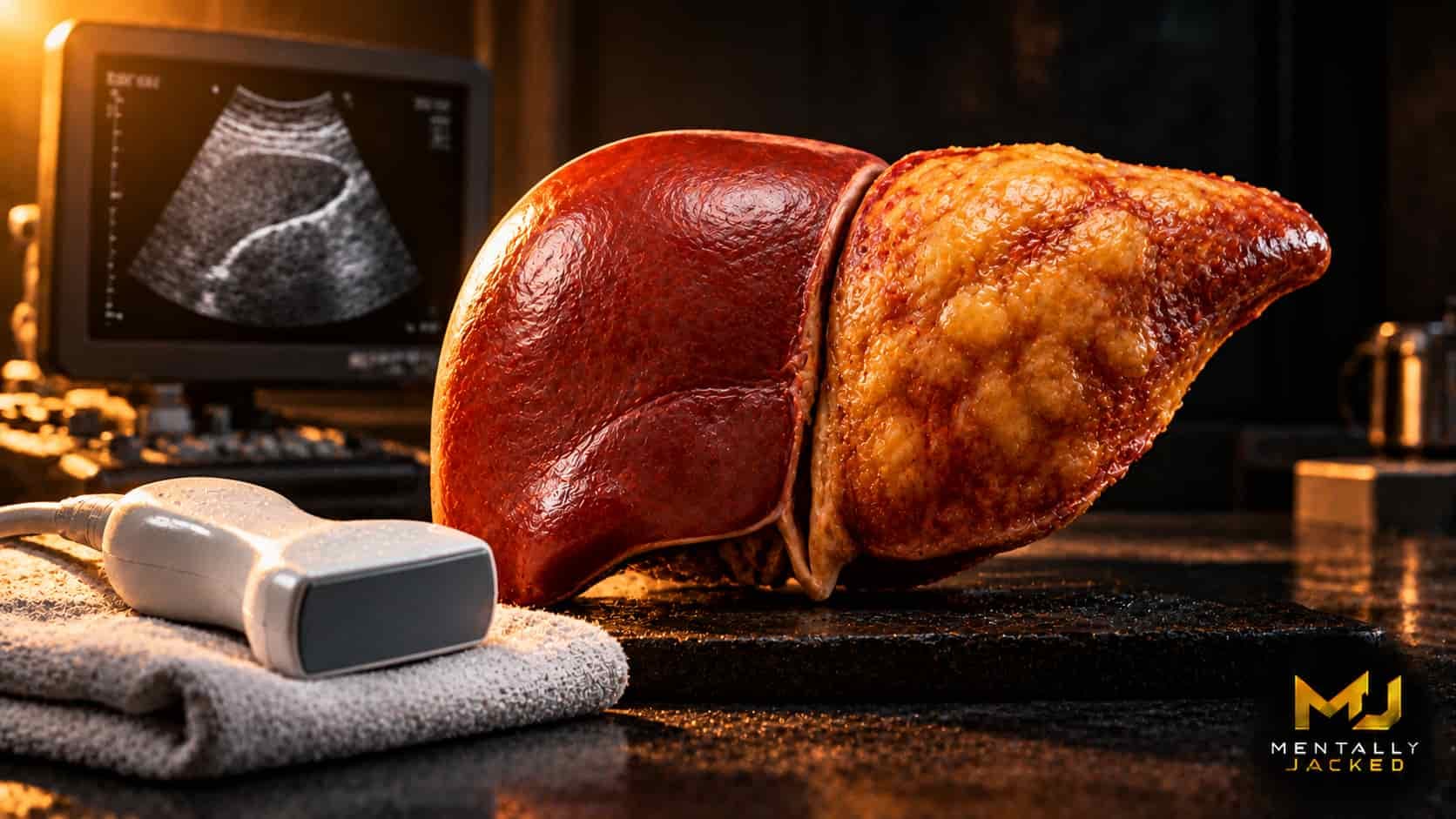
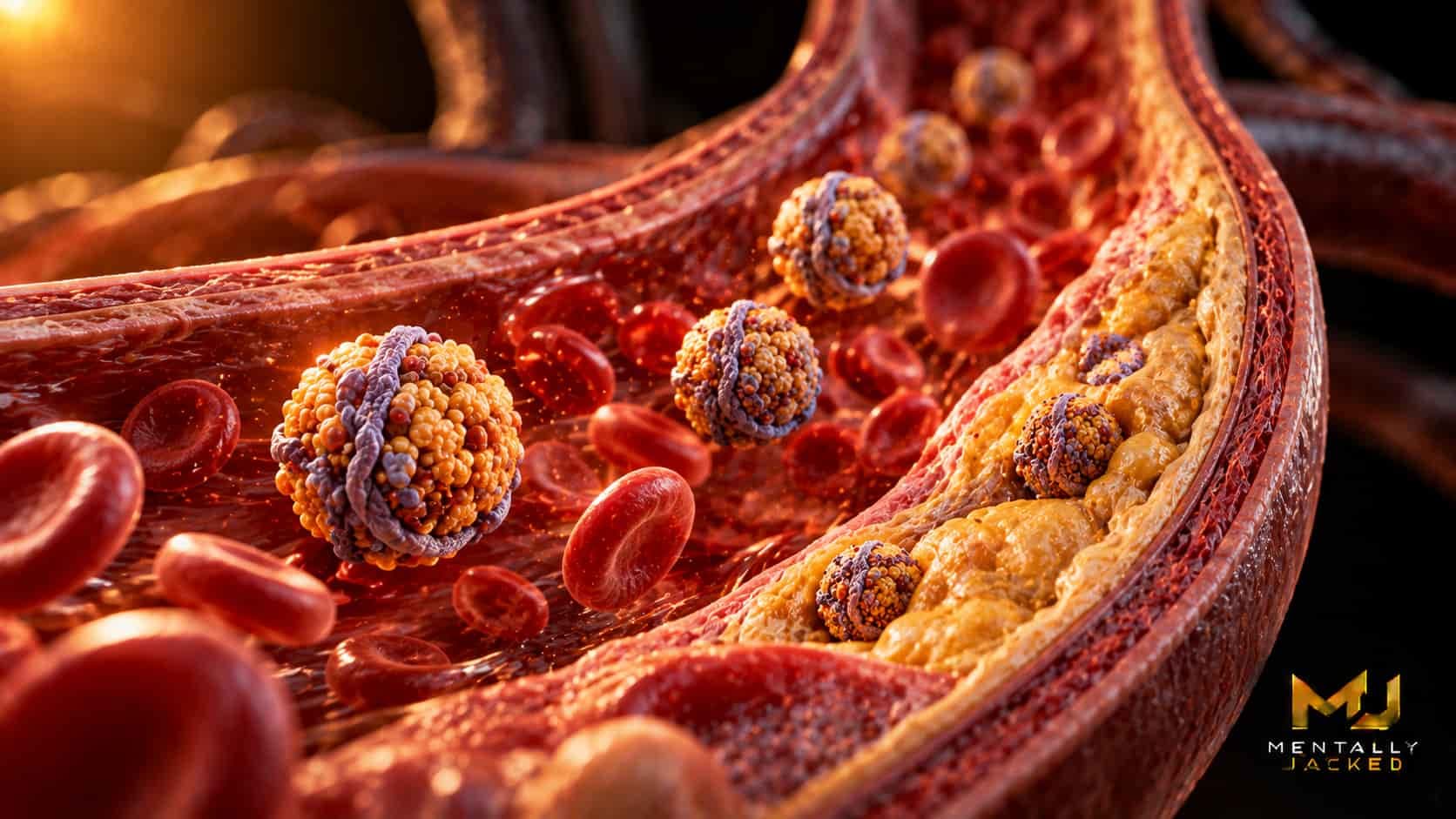
High insulin is not a passive marker. It drives fat storage, particularly around the organs, blocks fat loss, raises triglycerides, lowers HDL, pushes blood pressure up and is closely tied to fatty liver. Most of the "I eat well and cannot lose weight" cases that come through coaching have this underneath.
The most direct measure. Drawn after a 10 to 12 hour fast, ideally in the morning before any caffeine or training.
Laboratory reference ranges often run up to 25 mIU/L, which is far too generous. In metabolically healthy adults fasting insulin usually sits below 10, and many lean, active people are under 6. A result of 12 to 15 with a normal glucose is the early warning. Above 15 is a problem, whatever the glucose says.
Two cautions. Insulin assays vary between labs, so compare results from the same lab over time. And a single high reading after a poor night's sleep, a late meal or a stressful week can mislead, so repeat before drawing conclusions.
HOMA-IR combines fasting glucose and fasting insulin into one number:
HOMA-IR = fasting glucose (mg/dL) × fasting insulin (mIU/L) ÷ 405
A glucose of 92 with an insulin of 14 gives 3.2. Both numbers are inside their lab ranges. The combination is not.
HOMA-IR is a population tool being used on an individual, so treat it as a trend marker rather than a diagnosis. Its value is that it forces the two numbers to be read together. The bloodwork analyzer calculates it automatically when both inputs are present and flags the combination even when each is separately normal.
HbA1c measures how much glucose has attached to haemoglobin, which reflects average blood glucose over roughly three months. It catches the later stage, when glucose has started to rise.
In India the test has specific blind spots. Iron deficiency anaemia falsely raises HbA1c. Haemoglobin variants, which are common in some Indian populations, can push it either way. Recent blood loss or donation lowers it. So does vitamin B12 deficiency treatment in its early weeks. A surprising HbA1c should always be checked against a fasting glucose and, ideally, a full blood count.
The last pattern matters. A triglyceride to HDL ratio above 3 (in mg/dL) is an inexpensive pointer toward insulin resistance when insulin has not been measured. It is less reliable in South Asians than in Europeans, but a high ratio is still a reason to ask for fasting insulin. The blood test selector adds fasting insulin and a lipid panel when your reason for testing is stalled fat loss, family history or waist gain, because those are the situations where the standard panel misses the answer.
South Asians develop insulin resistance at a lower BMI than Europeans. The pattern is often called the "thin-fat" phenotype: normal weight, relatively low muscle mass, and a high proportion of fat stored around the organs and liver.
That is why the ICMR uses lower cutoffs, with overweight starting at a BMI of 23 rather than 25, and why waist circumference above 90 cm in men or 80 cm in women is treated as a risk signal regardless of weight. A man at 70 kg with a 94 cm waist can be more insulin resistant than a lifter at 95 kg with an 84 cm waist.
Growth hormone raises fasting glucose and insulin directly. It is one of the best documented effects of GH use, and it is the reason a fasting insulin and HbA1c belong on the panel before any GH or GH-releasing peptide protocol, not after.
High-dose anabolic steroids reduce insulin sensitivity modestly, and the combination of GH, a calorie surplus and low cardio is how a lifter ends up prediabetic at 12 percent body fat. Resistance training improves sensitivity. Cardio improves it more. Neither fully cancels the drugs.
In order of effect:
A HbA1c of 5.7 percent or above, a fasting glucose above 100 mg/dL, or a fasting insulin above 15 with a family history of diabetes all warrant a proper review. Symptoms of thirst, frequent urination, blurred vision or unexplained weight loss need same-week attention.
Fasting glucose misses insulin resistance for years. Ask for fasting insulin, calculate HOMA-IR, and read HbA1c alongside a blood count. Indians develop it at a lower weight, so use waist rather than the scale. Waist fat loss, resistance training and walking after meals move the numbers most.
Most metabolically healthy adults sit below 10 mIU/L, and many lean, active people are under 6. Laboratory ranges running up to 25 are too generous. A result above 12 to 15 with normal glucose is an early sign of insulin resistance.
Multiply fasting glucose in mg/dL by fasting insulin in mIU/L and divide by 405. Under 1.0 is insulin sensitive, 2.0 to 2.9 suggests early insulin resistance and 3.0 or above is significant.
5.7 to 6.4 percent under the American Diabetes Association criteria, which India also uses. Iron deficiency, haemoglobin variants and recent blood loss can distort the result.
Yes, and that is the usual situation for years. The pancreas produces extra insulin to hold glucose in range, so fasting glucose stays normal while fasting insulin climbs.
South Asians tend to store more fat around the organs and carry less muscle at the same BMI, so insulin resistance develops earlier. Indian guidelines use a BMI of 23 for overweight and a waist of 90 cm in men or 80 cm in women as risk thresholds.
Yes. Growth hormone raises fasting glucose and insulin directly, which is why fasting insulin and HbA1c should be tested before starting any GH or GH-releasing peptide protocol.
This article is educational and is not medical advice. See the medical disclaimer.
Want a programme built around your own numbers?
Work With Dinesh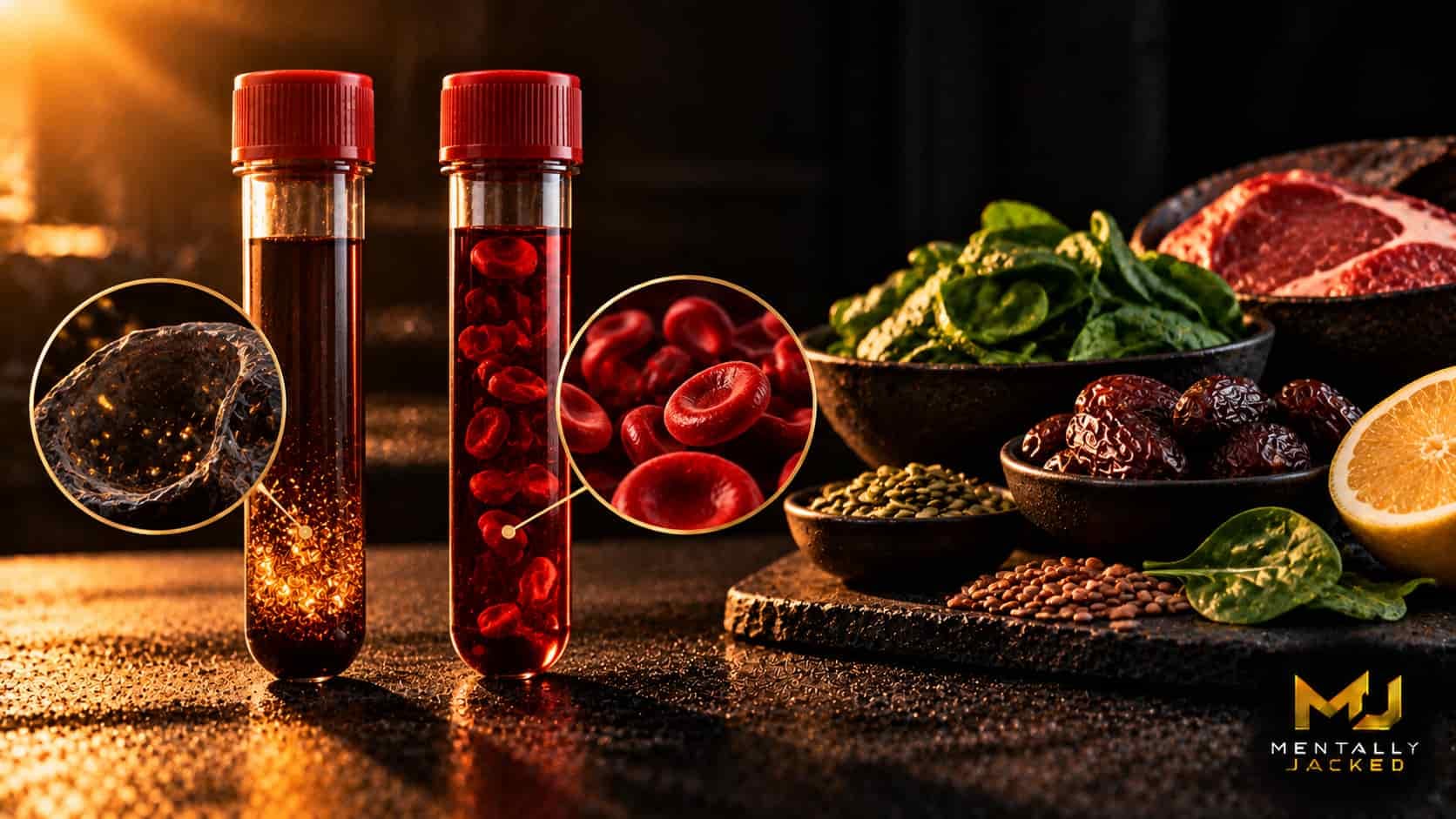
Bloodwork and Diagnostics
Bloodwork and Diagnostics
Bloodwork and Diagnostics

Newsletter
One email when a new guide, calculator or breakdown goes live. Nothing else.